


Meshcore is quickly becoming one of the most interesting developments in low-power radio networking. If you’ve been experimenting with LoRa or have used Meshtastic before, Meshcore takes things a step further—particularly in how it handles routing and network efficiency.
In this guide, I’ll walk through the best Meshcore hardware, based on a real-world repeater build, along with practical advice on what actually works (and what doesn’t). The goal is simple: help you build a reliable, off-grid Meshcore node or repeater using proven gear.
What is Meshcore? (Quick Overview)
Meshcore is a LoRa-based mesh networking system that allows devices to communicate over long distances without relying on the internet.
Unlike Meshtastic, Meshcore uses more intelligent routing, meaning:
- Messages take the best known path once established
- Less airtime congestion
- More scalable networks as nodes increase
As your network grows, this becomes critical—especially if you’re planning repeaters or wider coverage deployments.
Why Build a Meshcore Repeater?
If you’re running a handheld or indoor node, you’ll quickly run into limitations:
- Poor antenna performance indoors
- Limited range
- Difficulty reaching the wider network
A repeater solves this by:
- Elevating your signal (literally)
- Acting as a bridge between nodes
- Extending network coverage significantly
Typical deployment locations:
- Hilltops
- Rooftops
- Towers
- Rural properties
Best Meshcore Hardware (Tested Build)
Below is the exact gear used in this build, along with notes on performance and why each component matters. Some links list below are affiliate and I may earn a small commission on sales.

👉 XIAO nRF52840 & Wio-SX1262 Kit Modules
https://s.click.aliexpress.com/e/_c3nDxtFJ
This is the heart of the system.
Why it works well:
- Extremely compact
- Low power consumption (critical for solar setups)
- Native LoRa support via SX1262
- Direct battery operation (no regulator required if wired correctly)
This is one of the best entry points for Meshcore hardware right now.
Antennas (Critical for Range)

👉 915 MHz 5.5dBi Vertical Antenna
https://s.click.aliexpress.com/e/_c3JKgHxR
👉 915 MHz 3dBi Vertical Antenna
https://s.click.aliexpress.com/e/_c4m9laqt
Key insight: More gain is NOT always better.
- 5.5 dBi → Better for long-distance, horizon coverage
- 3 dBi → Better for closer, lower-angle coverage
If your repeater is:
- High up (mountain/tower) → Use lower gain (3 dBi)
- Lower elevation / flat terrain → Use higher gain (5.5 dBi)
Higher gain compresses the radiation pattern—meaning you can miss users below you.
Power System (Solar + Battery)
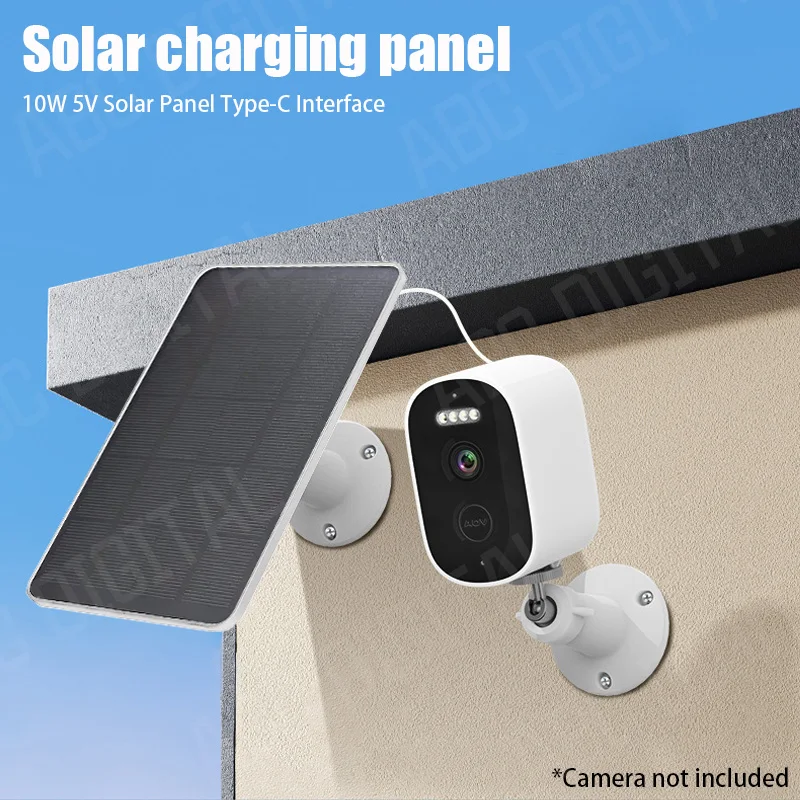
👉 “10W” Solar Panel (realistically ~2–3W output)
https://s.click.aliexpress.com/e/_c3UQp8TL
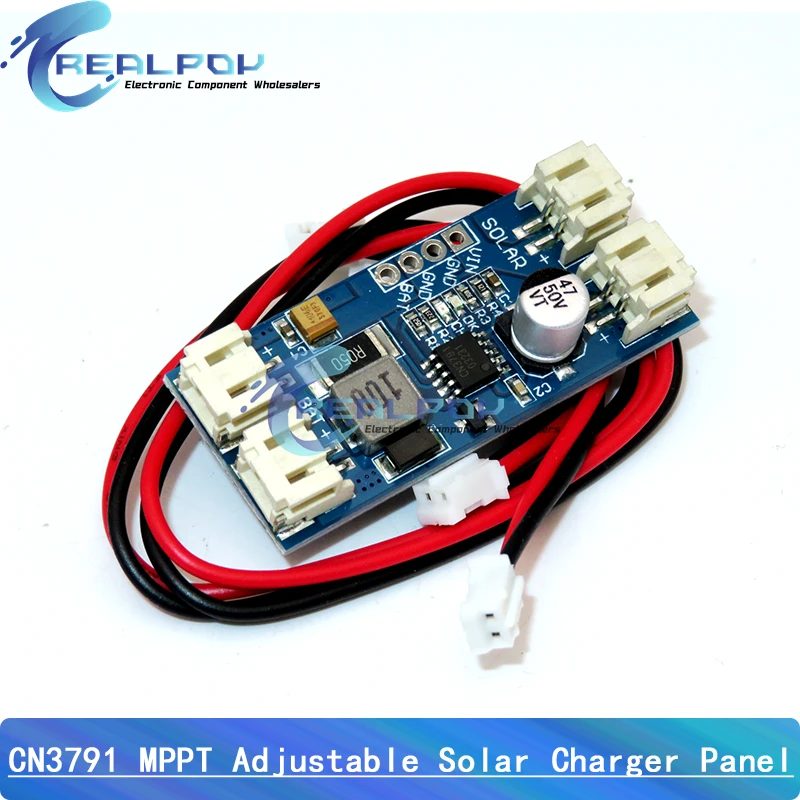
👉 CN3791 MPPT Solar Charger Board
https://s.click.aliexpress.com/e/_c3N40SKZ
👉 18650 Battery Holder (Parallel)
https://s.click.aliexpress.com/e/_c4ambl8v
👉 18650 USB-C Charger (optional alternative)
https://s.click.aliexpress.com/e/_c3sLN4cl
Real-World Performance Notes
- The “10W” panel is overrated (common with AliExpress listings)
- Expect:
- ~7.5V @ ~250mA in partial sun
- Still sufficient for low-power Meshcore nodes
Why this setup works:
- Low draw from the nRF52840
- Batteries act as a buffer
- MPPT improves efficiency over basic charging boards
⚠️ Important Battery Warning
Some battery holders are incorrectly labeled.
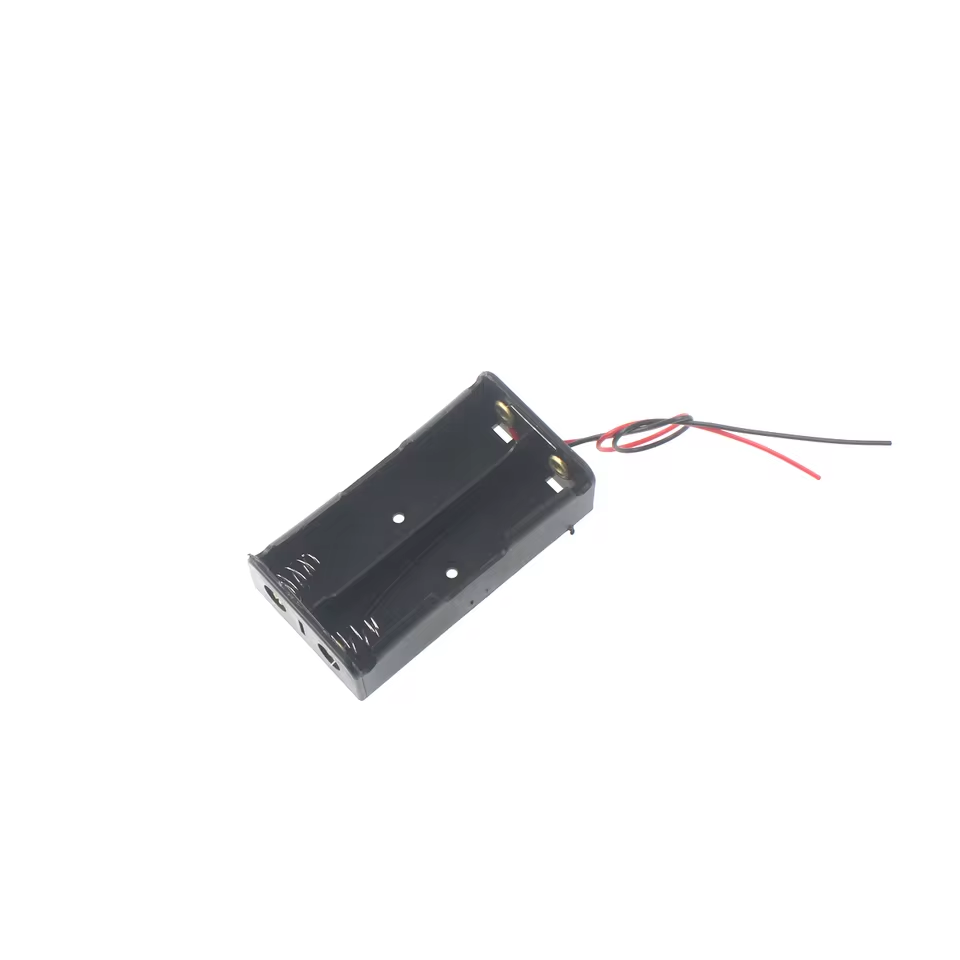
- Markings may suggest series wiring
- Actual wiring may be parallel
If wired incorrectly → dead short across batteries
Always verify:
- Polarity
- Wiring configuration
This is a common pitfall.
Enclosure (Weatherproofing)
👉 IP66 Box (Smaller)
https://s.click.aliexpress.com/e/_c4aA1nYt
👉 IP67 Box (Recommended / Used)
https://s.click.aliexpress.com/e/_c3JkrCwD
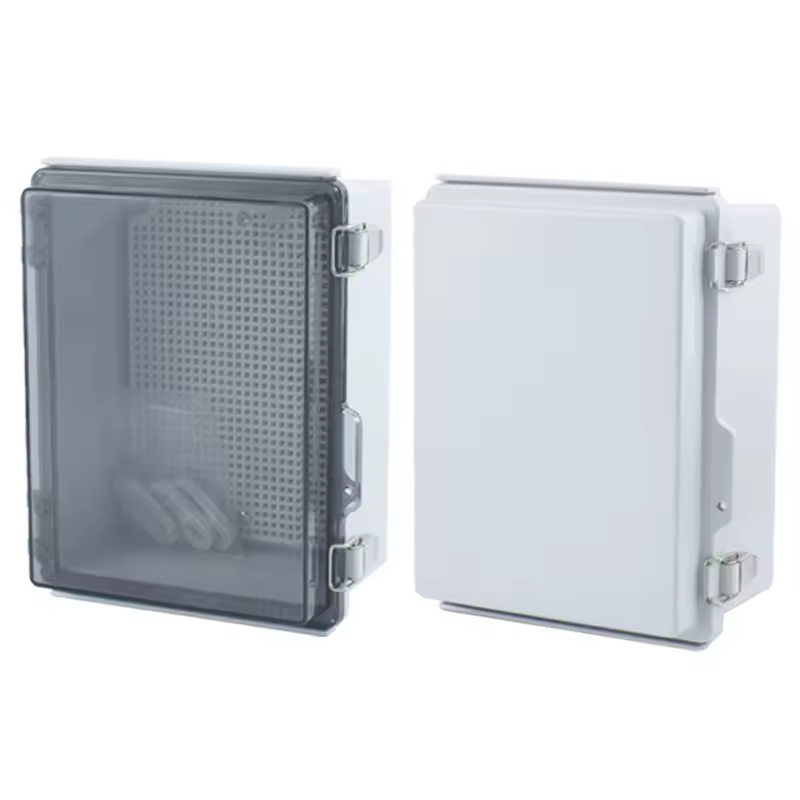
What to Look For:
- Proper rubber seal
- Strong clips (metal preferred)
- Internal mounting points
The IP67 version is worth it for outdoor deployments.
RF Connectors (connecting the board to the larger antenna)
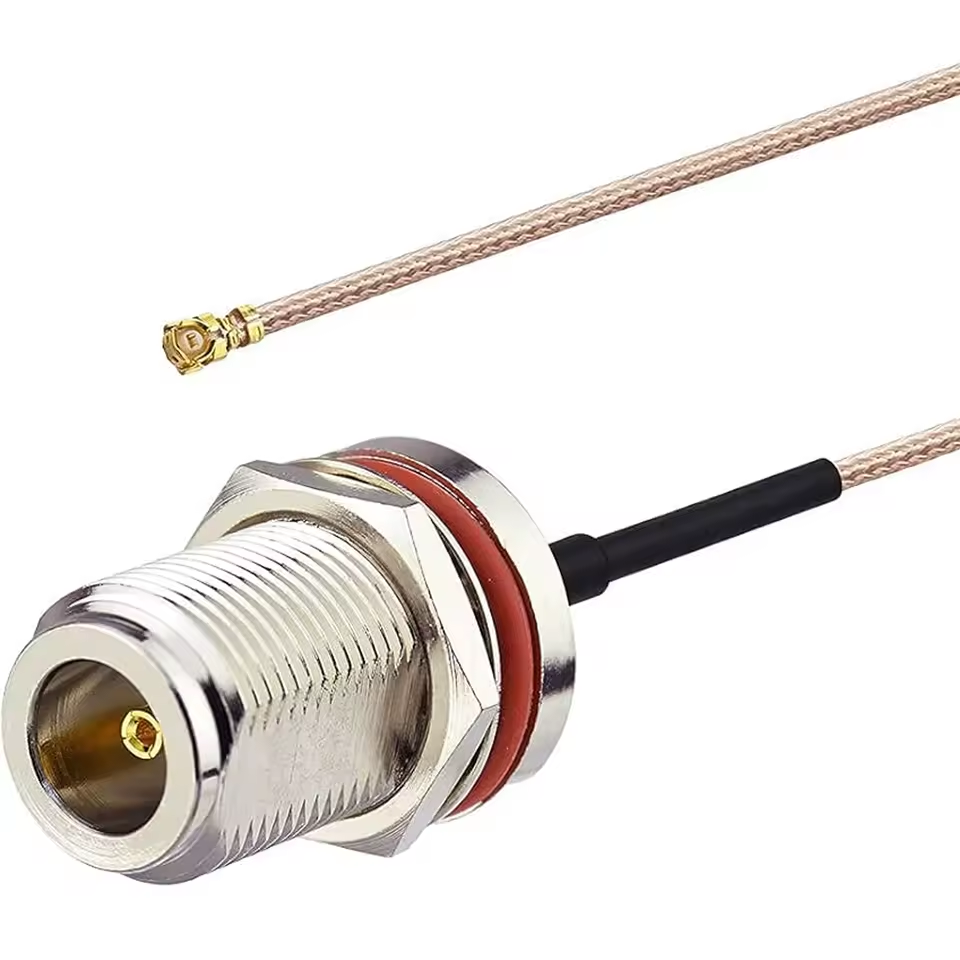
👉 SMA Female to N Female Bulkhead
https://s.click.aliexpress.com/e/_c2wi0w89
👉 SMA to U.FL Connector
https://s.click.aliexpress.com/e/_c2yqXBU1
👉 RG178 N Bulkhead to U.FL Cable
https://s.click.aliexpress.com/e/_c4NcswNn
Tip: Keep U.FL leads as short as possible
- 10 cm is better than 20 cm
- Reduces loss and improves efficiency
Filtering (Optional but Powerful)
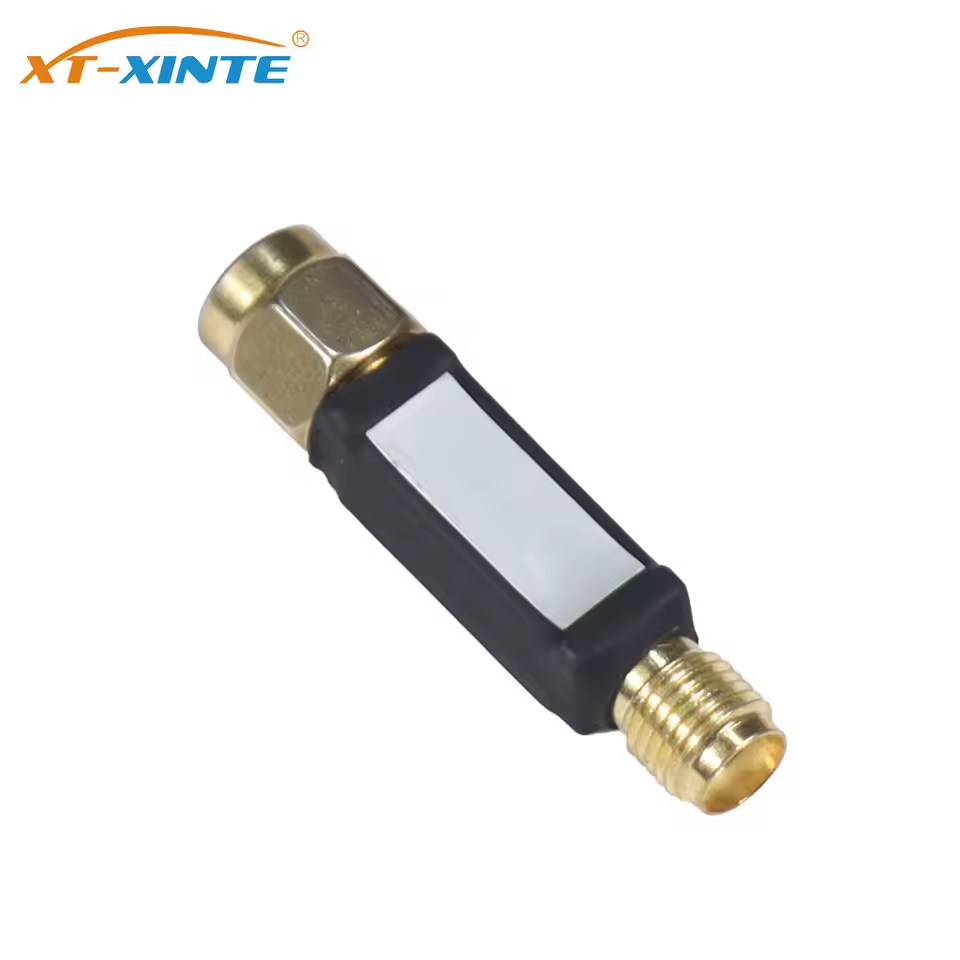
👉 915 MHz Bandpass Filter
https://s.click.aliexpress.com/e/_c4s2be0z
Use this if:
- You’re near cell towers
- High RF noise environment
- Poor receive performance
This can dramatically improve node reliability.
Environmental Protection
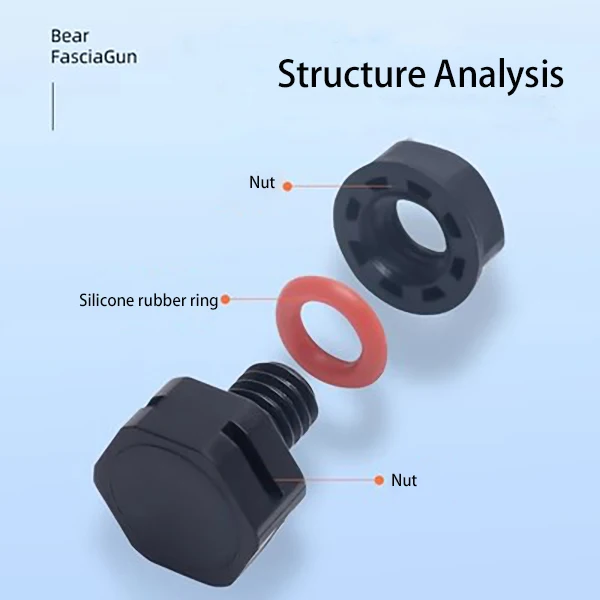
👉 Waterproof Breather Vent
https://s.click.aliexpress.com/e/_c2wu6fyZ
Often overlooked, but important.
Purpose:
- Equalizes pressure
- Prevents condensation buildup
- Allows moisture to escape
This increases long-term reliability significantly.
Alternative / Additional Hardware
👉 ThinkNode M1 (Simple Companion Node Option)
https://s.click.aliexpress.com/e/_c3RIZ369
👉 Seeed Studio Wio Tracker L1 Pro (BetterIMO Companion Node Option)
https://s.click.aliexpress.com/e/_c2xzcQcd
👉 More Meshcore Hardware
https://s.click.aliexpress.com/e/_c4mfmu9r
Build Strategy (What Actually Matters)
From testing and real-world use, these are the biggest factors:
1. Height > Power
A well-placed repeater beats high transmit power every time.
2. Antenna Choice Matters More Than You Think
Gain vs coverage angle is a tradeoff—choose based on deployment height.
3. Power Stability Is Critical
- Solar input is inconsistent
- Battery buffering is essential
4. Weatherproofing = Longevity
- Seal all connectors
- Use vents
- Avoid water ingress points
5. Routing Efficiency Is Meshcore’s Advantage
Once your network builds out:
- Messages follow known paths
- Less congestion than broadcast-style systems
Where to Deploy a Meshcore Repeater
Best locations:
- Elevated terrain
- Clear line-of-sight areas
- Away from heavy RF noise
⚠️ Always:
- Get permission before installing
- Avoid random or unauthorized placements
Final Thoughts: Is Meshcore Worth It?
If you enjoy:
- Experimentation
- Building radio systems
- Off-grid communication
Meshcore is one of the most promising platforms right now.
The ability to:
- Build repeaters
- Optimize routing
- Scale networks efficiently
…makes it a strong alternative to traditional LoRa mesh setups.
Want to Build Your Own?
Grab your parts, then check out my full build video below
